
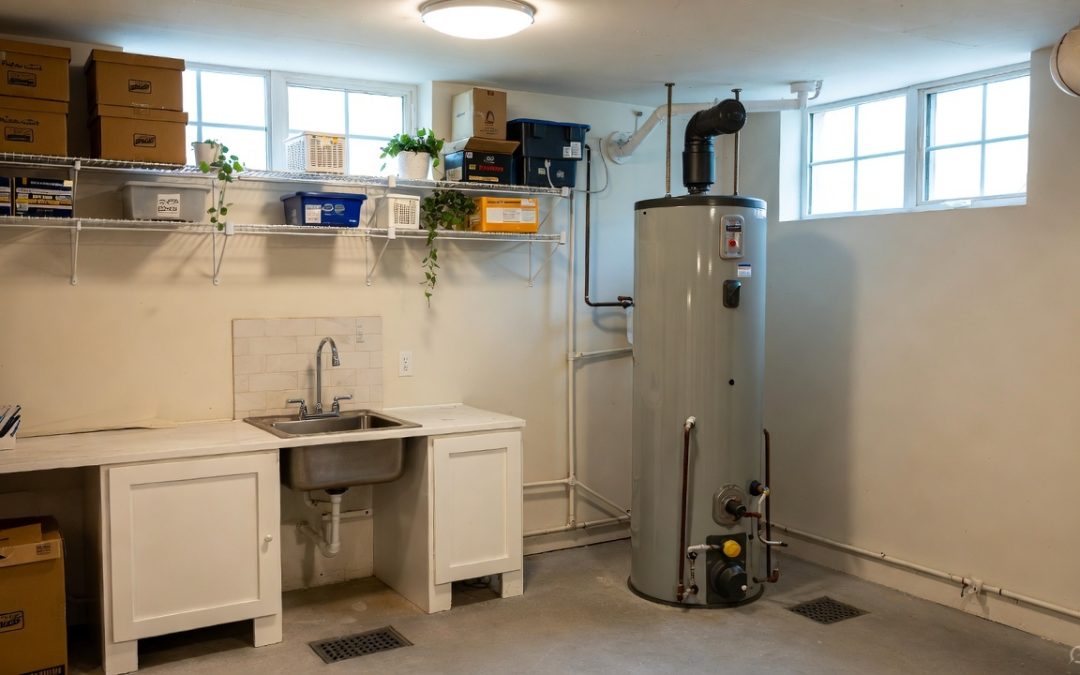
Welcome back to our series on preparing your home’s plumbing for winter! In our introductory article, we outlined five essential Fall tasks to shield your system from the cold. We followed with in-depth explorations of disconnecting and draining outdoor hoses and faucets, then insulating exposed pipes. Now, we’re tackling the third recommendation: flushing and maintaining your water heater. As of October 01, 2025, with autumn fully underway and winter on the horizon, this maintenance is crucial to ensure reliable hot water when demand spikes during colder months.
Your water heater works harder in winter, providing hot water for showers, dishes, and laundry amid dropping temperatures. Neglecting maintenance can lead to sediment buildup, reduced efficiency, higher energy bills, and even premature failure. For instance, sediment accumulation can cause corrosion, strange noises, and decreased heating capacity, potentially shortening the unit’s lifespan by years. Regular flushing and checks can improve thermal efficiency, enhance water quality, and lower costs—saving up to 10-20% on energy bills in some cases. This task is particularly vital for tank-style heaters, but even tankless models benefit from routine inspections.
That said, water heaters involve electricity, gas, or high-pressure hot water, so safety is paramount. If you encounter issues like gas smells, electrical problems, or complex components, stop immediately and seek expert help. Delaying can result in leaks, floods, or hazards. At the first sign of trouble—such as rusty water, leaks, or unusual rumbling—contact L.E. Brown Home Improvement. Our professionals can perform thorough maintenance, ensuring your heater is optimized for winter without the risks of DIY mishaps.
Understanding Your Water Heater: Types and Why Maintenance Differs
Before diving in, identify your water heater type, as maintenance varies:
- Tank-Style (Storage) Water Heaters: Common in homes, these store 30-80 gallons of heated water. Available as gas (using a burner and pilot light) or electric (with heating elements). They require flushing to remove sediment from hard water minerals.
- Tankless (On-Demand) Water Heaters: Heat water as needed, no storage tank. Gas or electric. They don’t need flushing but require descaling to remove mineral buildup, especially in hard water areas.
- Heat Pump Water Heaters: Efficient electric models that pull heat from the air. They need annual flushing and filter checks, particularly in cold climates.
Locate your unit (often in basements, garages, or closets) and check the manual for specifics. Gas models involve flames, so extra caution is needed; electric ones pose shock risks. If your heater is over 10 years old, consider a professional inspection for efficiency upgrades. Unsure about your type or condition? L.E. Brown Home Improvement can assess and advise.
Tools and Materials You’ll Need
Gather these for safe, effective maintenance:
- Garden hose (for draining)
- Large bucket or access to an outdoor drain
- Flathead screwdriver (for valves)
- Thick gloves and safety goggles
- Old towels or rags (for spills)
- Adjustable wrench (for anode rod checks)
- Flashlight
- Optional: Descaling kit (for tankless), anode rod replacement, pipe insulation
For tankless descaling: Pump, hoses, and vinegar or commercial solution. Work in a well-ventilated area, and have a fire extinguisher nearby for gas units.
Step-by-Step Instructions for Flushing and Maintaining Your Water Heater
Perform this annually in Fall, or more often in hard water areas. Allow 1-2 hours, and let the heater cool beforehand.
Step 1: Safety First—Turn Off Power or Gas and Water Supply
- For electric: Flip the circuit breaker off.
- For gas: Set the thermostat to “OFF” or “Pilot,” and close the gas valve.
- Turn off the cold water supply valve (clockwise).
- Open a hot water faucet to relieve pressure.
- Why? Prevents heating during draining, reducing scald risks and damage. If valves are stuck or you smell gas, call L.E. Brown Home Improvement immediately.
Step 2: Flush the Tank (For Tank-Style Heaters)
- Attach a garden hose to the drain valve at the bottom.
- Place the hose end in a bucket or drain.
- Open the drain valve; let water flow until clear (may take 20-45 minutes). Flush with cold water if sediment persists.
- Close the valve, remove hose, and refill by turning on the water supply.
- Run hot water faucets for 3 minutes to purge air.
- For tankless: Use a descaling kit—circulate solution through the unit per instructions.
Step 3: Check and Adjust Temperature
- Set to 120°F for efficiency and safety; increase slightly (5-10°) for winter if needed, but avoid over 130°F to prevent scalds.
- Test by running hot water and measuring with a thermometer.
Step 4: Inspect and Replace the Anode Rod
- Locate the anode rod (top of tank); use a wrench to remove.
- If corroded more than halfway, replace with a new one (magnesium or aluminum).
- Why? Sacrificial rods prevent tank rust; replace every 2-5 years. If stuck or damaged, professional help from L.E. Brown Home Improvement is recommended.
Step 5: Test the Pressure Relief Valve
- Lift the lever briefly; water should discharge.
- If no water or it doesn’t stop, replace the valve.
- Essential to prevent explosions from overpressure.
Step 6: Insulate the Tank and Pipes
- Wrap the tank with an insulation blanket (if not pre-insulated).
- Insulate hot water pipes to retain heat.
- Boosts efficiency in cold spaces.
Step 7: Restart and Monitor
- Restore power/gas; relight pilot if needed.
- Check for leaks over the next day.
Common Mistakes and Troubleshooting
- Mistake: Skipping Cooling Time: Leads to burns—always wait.
- Mistake: Incomplete Flushing: Leaves sediment; ensure water runs clear.
- Trouble Signs: Rumbling noises (sediment), rusty water (corrosion), leaks, or no hot water. These indicate urgent issues—contact L.E. Brown Home Improvement for diagnosis.
- If draining clogs or valves fail, don’t force; pros have the tools.
Why Professional Help Matters
While basic maintenance is DIY-able, tasks like anode replacement or descaling often require expertise to avoid voids in warranties or safety risks. L.E. Brown Home Improvement offers comprehensive services, including full flushes, inspections, and upgrades to energy-efficient models, ensuring your heater handles winter demands reliably.
Wrapping Up and Looking Ahead
Flushing and maintaining your water heater this Fall ensures efficient, safe operation all winter, potentially extending its life and cutting costs. With this done, your plumbing is even better prepared.
Next in our series: An in-depth look at inspecting and repairing indoor leaks, the fourth task. In the interim, if maintenance reveals concerns or you prefer expert handling, reach out to L.E. Brown Home Improvement for all your plumbing needs. Stay cozy this season!